




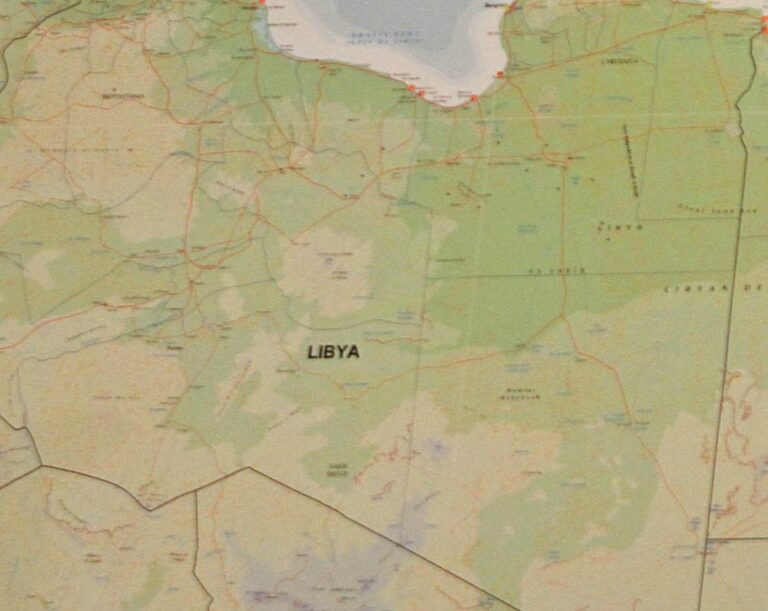
TRIPOLI (ITALPRESS/MNA) – A national reconciliation conference will be held in mid-October as part of the peace process efforts in Libya.
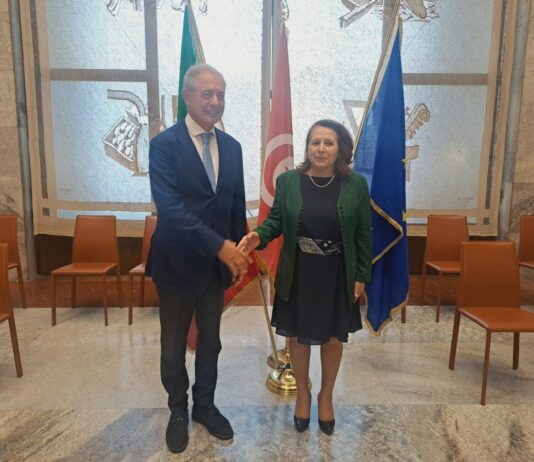
This announcement came during a meeting in Tripoli, where Congo-Brazzaville’s Foreign Minister, Jean-Claude Gakosso is heading a high-level African delegation on Libya.
The invitation to attend the event was extended to the Libyan Presidential Council member, Moussa al-Koni. al-Koni expressed appreciation for the efforts of Congo’s President Denis Sassou Nguesso and the African Union in supporting reconciliation and peace efforts in Libya.
The national reconciliation conference, initially scheduled for April 28 in Sirte, was postponed following the resignation of former UN envoy Abdoulaye Bathily.
The Congolese minister praised the Presidential Council’s efforts aimed at achieving stability and emphasised the importance of the council’s participation in making the upcoming conference a success.
The head of the Presidential Council, Mohamed al-Mnifi, discussed with the African delegation led by Minister Jean-Claude Gakosso the latest developments in Libya’s political situation and preparations for the national reconciliation conference to be held in Addis Ababa in mid-October.
-photo Ipa Agency –
National reconciliation conference on Libya to be held in October
Malta most used for ship-to-ship transfers of Russian oil
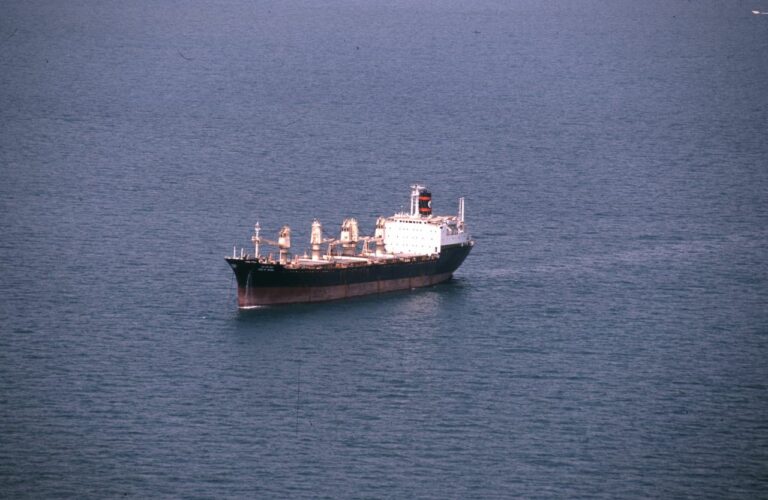
LA VALLETTA (MALTA) (ITALPRESS/MNA) – Malta has emerged as the top European destination for ship-to-ship transfers of Russian oil following the Greek navy’s decision to deter such activities in the Laconian Gulf. Since May 1, citing military exercises, the Greek navy has put out of bounds an area in international waters southeast of the Peloponnese islands, six nautical miles off the coast of Laconia, where Russian-linked tankers were stationed over the past couple of years. As a result, there has been a tanker exodus from Greek waters this summer to new sites across the Mediterranean and at a further distance. Kpler data shows that from May 1 to August 1, there were 122 ship-to-ship transfers recorded in various regions. The Malta area accounted for the majority, with 44% of transfers, followed by Augusta in Sicily with 11 transfers (9%), and Lome in Togo with nine transfers (7%). The ship-to-ship transfers of Russian oil off Malta increased by up 220% over the last quarter, just as Malta was fiercely opposing new EU sanctions aimed at limiting the practice, according to a report by maritime artificial intelligence company Windward AI.
– Photo Agenzia Fotogramma –
(ITALPRESS).
Tunisia, alarming situation due to water shortage
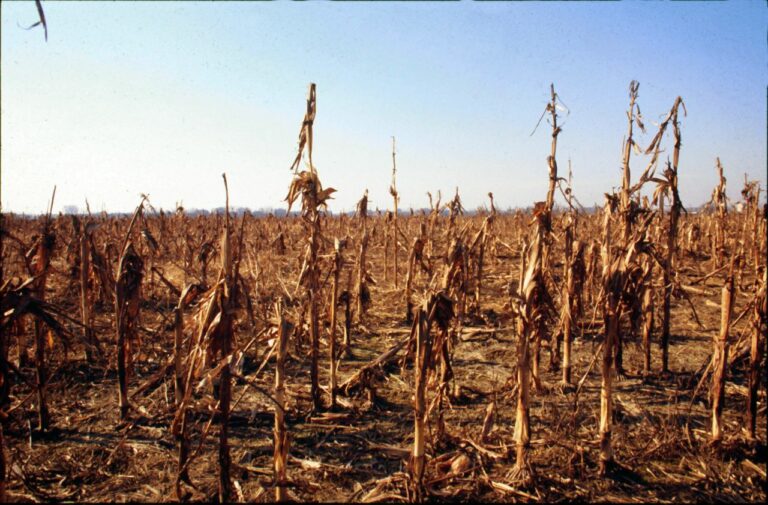
LA VALLETTA (MALTA) (ITALPRESS/MNA) – North African countries like Tunisia are facing serious climate change challenges, threatening not only the supply of drinking water but also the socio-economic stability of the country. This summer, the Tunisians are facing severe crises with chronic water shortage impacting daily life; from drinking water to agriculture and industry. Tunisian citizens are taking to the streets, voicing their dismay and anger through increasingly frequent protests. The country witnessed a significant surge in protest movements only last month, with a 15% increase from the previous month. The region of Gafsa emerged as the protest epicenter, followed closely by Mèdenine, Jendouba, Kairouan, and Nabeul. Hundreds have voiced their discontent through sit-ins and road blockages, protesting against recurrent water cuts. This crisis has not spared the agricultural sector, particularly In the northwest of the country, farmers protested for the lack of irrigation water, jeopardizing their crops. This alarming situation is part of a broader pattern of water stress affecting North Africa, where dwindling water resources pose an existential challenge to local populations and economies. In addition, the issue of water crises is not unique to Tunisia. Neighboring countries like Algeria, Morocco, and Libya face similar challenges, exacerbated by climate change and sometimes inefficient water resource management. This critical situation threatens access to potable water for the populations and food security and economic stability in the region.
– Photo Agenzia Fotogramma –
(ITALPRESS).
Malta, 23% of energy imported from Italy originates from coal
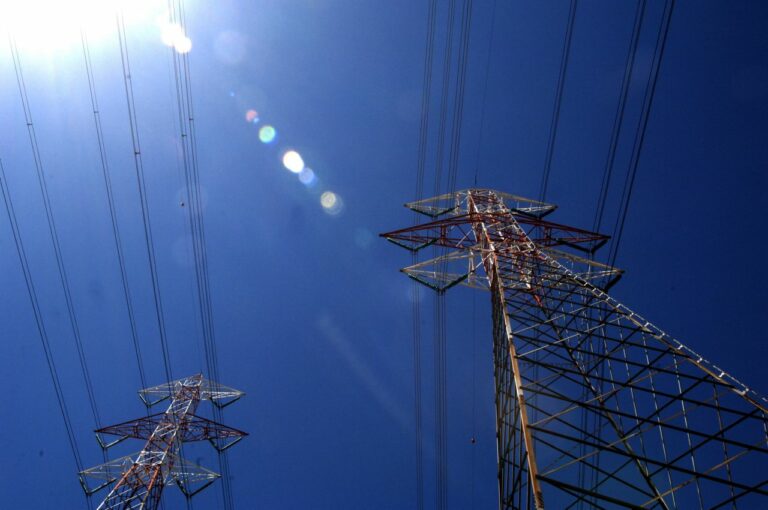
LA VALLETTA (MALTA) (ITALPRESS/MNA) – Almost 23% of energy imported to Malta through the interconnector that links the island to the Italian energy grid in Sicily originated from coal-fired power stations in 2023. This is double the from the previous year’s 12% share of imported electricity. In terms of carbon emissions and impact on climate change, coal is considered to be the dirtiest of all fossil fuels. Fossil fuels – coal, gas, and petroleum – accounted for around 85% of the interconnector’s energy, a slight drop of one percentage point over 2022. In 2023, Malta imported less electricity produced from natural gas, down from 69% to 58%, and more from coal. Natural gas is estimated to emit 50-60% less carbon dioxide when combusted by new and efficient plants, compared to emissions from a coal-burning plant. Significantly, Malta imported three times as much energy from coal-fired power stations than from renewable energy sources (7.3%) through the interconnector, staying at the same level in 2022 after dropping from 11% in 2021. Overall, Malta has registered a second consecutive increase in carbon emissions up from 388 grams of carbon dioxide per kiloWatt-hours in 2021 to 391gCO2/kWh in 2022 and to 396CO2/kWh in 2023. Maltàs energy supply depends on a liquefied natural gas plant (LNG) as well as an electricity interconnector that provides energy from the European mainland by subsea cable from Sicily. Natural gas used in Maltàs power stations accounted for 69% of the energy mix, up from 68% the previous year. A second interconnector linking Malta to the TERNA 220kV substation in Ragusa has already been approved by the Maltese planning authority. The second interconnector is deemed essential to ensure that Malta has enough energy to cater to its increased population, the electrification of its car fleet, and to sustain current levels of economic growth. For the second consecutive summer, Malta is facing an interrupted supply of electricity to households and businesses.
– Photo Agenzia Fotogramma –
(ITALPRESS).
The Maltese show strong optimism on the future of the EU
LA VALLETTA (MALTA) (ITALPRESS/MNA) – A recent Eurobarometer survey has highlighted the Maltese population’s strong optimism regarding the future of the European Union, setting them apart from their European counterparts. The survey, conducted between 25 June and 2 July 2024, sampled 505 Maltese citizens. An overwhelming 75% of Maltese respondents expressed optimism about the EU’s future, with only 22% voicing pessimism. This places Malta among the most positive member states, contrasting sharply with countries like France, the Czech Republic, and Hungary, where citizens showed the highest levels of pessimism.
However, the Maltese are not blind to the challenges facing the EU. The survey identified three primary concerns among Maltese citizens: the ongoing war in Ukraine, irregular immigration, and the high cost of living.
Looking ahead to the next five years, while many Maltese expressed concern about continental security, the majority believe that democracy and the economy will remain robust during this period. 66% of respondents expressed worry about EU security over the next five years.
When asked about the EU’s strengths, Maltese respondents were among the most likely to cite respect for democracy and the rule of law, as well as relations between Member States. This aligns with the nation’s generally positive outlook on the Union.
48% of Maltese agreed that the EU should address environment and climate change concerns sooner rather than later
foto: Agenzia Fotogramma
(ITALPRESS).
Two groups of migrants in distress off the Sicilian coast
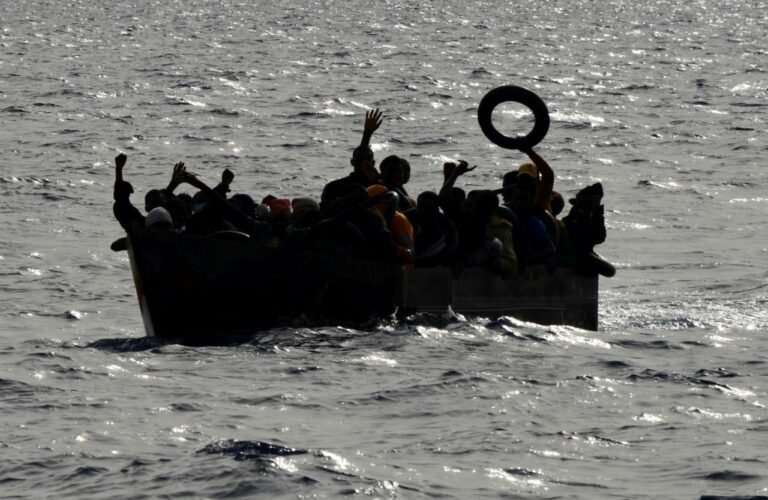
LA VALLETTA (MALTA) (ITALPRESS/MNA) – The Italian authorities were alerted by the international NGO Alarm Phone about two groups of migrants in distress off the Sicilian coast. Alarm Phone confirmed that it is in contact with a group of around 40 migrants in serious difficulties 70 miles southeast of Sicily. “They fled from Libya and there is no food and report having run out of water and food.” The NGO is hoping that the Italian coastguard acts quickly following the alert signal sent to the Italian authorities. Meanwhile, the Maritime Rescue and Coordination Centre in Rome confirmed with Alarm Phone that in the last hours it was handling another group of 70 migrants on a fiberglass boat near Sicily. The Italian authorities took the action following a no reply from the Maltese Rescue and Coordination Centre. Alarm Phone said that after three days at sea, the migrants were without food or water and their engine stopped. Meanwhile, other NGOs are involved in rescue operations in the Mediterranean. Three days ago a group of 58 migrants, including 12 unaccompanied minors, who were in distress at sea have safely disembarked in Civitavecchia following a rescue operation by the NGO SOS Humanity.
– Photo Agenzia Fotogramma –
(ITALPRESS).
Continuous burning fossil fuels causing Mediterranean heatwaves
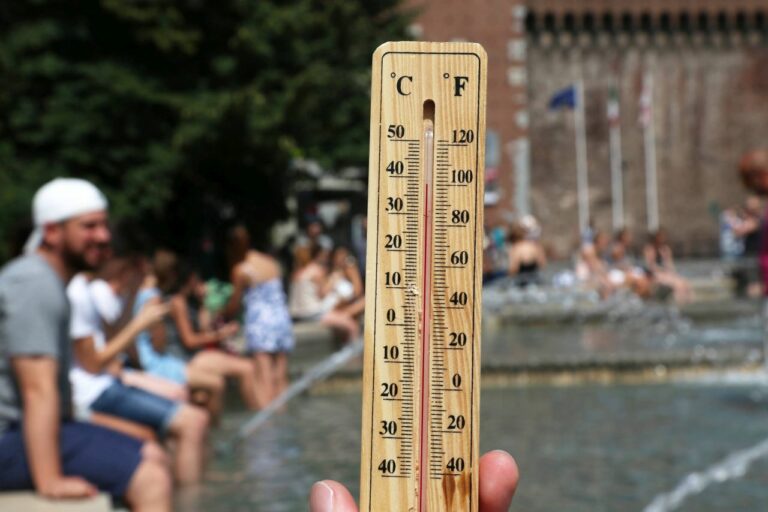
LA VALLETTA (MALTA) (ITALPRESS/MNA) – The heatwave that hit the Mediterranean in mid-July would have been “virtually impossible” without anthropogenic climate change, says a new analysis from the World Weather Attribution (WWA) network. The analysis found that the extremely hot temperatures in Greece, Italy, Spain, Portugal, France, and Morocco would have been between 2.5°C and 3.3°C cooler were humans not burning fossil fuels. While the latest report from the WWA relies on observational data, without extrapolation from climate models, it notes that the results are “very similar to the studies published in 2023 that analysed heatwaves in the same region and included climate models”. Common ground between the observed changes in July 2024 and July 2023 “are a good indicator of how climate change is affecting extreme heat in the Mediterranean,” including the reality that extreme heat events like the one just past “are no longer rare”. “Similar heatwaves affecting Greece, Italy, Spain, Portugal, and Morocco are now expected to occur on average about once every 10 years in today’s climate that has been warmed by 1.3°C due to human-induced climate change,” writes the WWA. Should humanity fail to shift “rapidly” away from fossil fuel combustion “these events will become hotter, more frequent, and longer-lasting.” And failure to prioritize heat adaptation will mean more intense suffering, and more deaths, with the most vulnerable most exposed to risk. At least 21 people were known to have died of heat-related causes in Morocco last month when temperatures breached 48?. Reporting delays and poor record-keeping in Morocco and elsewhere in the region mean that dozens or even hundreds more “likely” died from heat stress during the July heatwave, but haven’t yet been counted in the total, adds WWA. The WHO said the past two decades have seen a 30% increase in global heat-related deaths, with older adults (especially those living alone), and people with underlying health conditions at particular risk.”Temperature extremes exacerbate chronic conditions, including cardiovascular, respiratory, and cerebro-vascular diseases, mental health, and diabetes-related conditions. Extreme heat is a problem particularly for elderly people, especially those living alone. It can also place an additional burden on pregnant women,” Hans Kluge, WHO’s Europe director, said in a statement. European policymakers are beginning to pay attention, with heat action plans “increasingly being implemented across the region,” WWA says.
– Photo Agenzia Fotogramma –
(ITALPRESS).
BF’s plans for Africa, Vecchioni “Value on the ground and for the community”
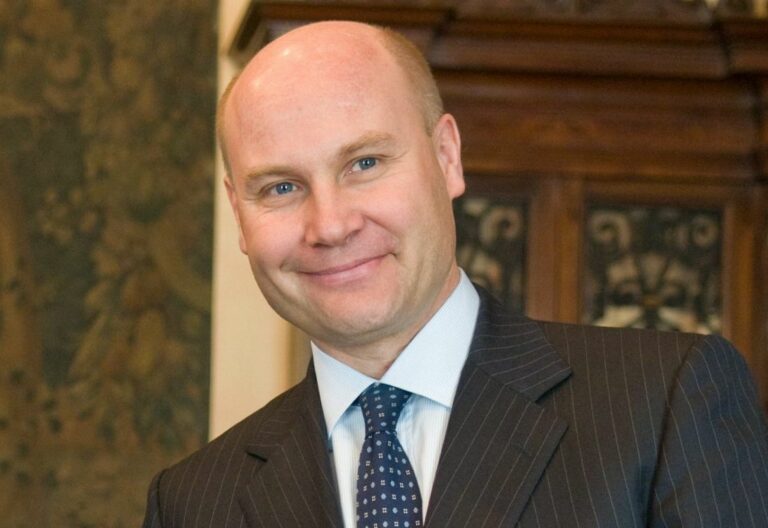
MILAN (ITALPRESS) – “For us, today’s Bf in Italy is also the best example to introduce ourselves to the agriculture sector in other continents. We have received several delegations from African countries in our offices in Jolanda di Savoia in Cortona and Arborea and Marrubiu in Sardegna, presenting our working methods to grow agricultural and social communities”. This was stated by Federico Vecchioni, the CEO of BF in an interview with the daily newspaper Domani.
BF started its internationalization journey in 2023, with the creation of BF International. Its plan is ambitious: investments in 40 countries worldwide, 30 of which are African, based on a vision of equal collaboration, with an average of 10 thousand hectares of cultivated area and a thirty-year vision. The first countries involved are Algeria, Egypt, and Ghana.
“Agriculture has once again become central in the economies of all countries, regardless of the GDP and the ability to generate wealth,” he explained, adding, “The emergencies of recent years, such as Covid or conflicts, have caught this world unprepared. Today everyone has understood that agriculture is essential, in terms of strategy. It is not just food, it is much more, it is conservation of natural resources, it is employment, it is technology, it is the healthiness of food and therefore the well-being of human beings”.
Federico Vecchioni remarked that as an agriculturally driven economic project, a high-tech integrated agro-industrial infrastructure like Bf would have been considered unfeasible 15 years ago. “It is from these considerations that the Africa plan was born: seeing the next 30 years as an opportunity for those who have developed our ability to manage land capital”.
“The logic according to which food commodities could only come from certain areas of the world and that other countries could therefore do without producing or doing agriculture has been exposed,” underlined Federico Vecchioni.
“When the Haiti disaster occurred in 2010, the European Union wanted to send wheat as food aid but our warehouses were empty. Today, no one can afford not to have their national supply, which is the result of a policy that links it to the growth of the agricultural sector. This is the reality for economies with high per capita income, such as the Gulf countries, as well as African countries. The events of recent years have shown that moving away from agricultural production exposed food security risks, not only on a qualitative but also quantitative level. It is therefore a geopolitical mistake and not just an economic one. There will be a rebalancing of forces in the future, and agricultural production will be more transversal and less concentrated. Countries that were net importers, such as those in North Africa, are facing the problem of having their storage and production for their growing populations, as in the case of Egypt”.
“In Africa,” added the CEO of Bf, “we do not acquire land but enhance its value. As our advisor, Bcg attests in his competitive analysis, that such a project on a global scale is not equal in the agricultural and food sector. In the world, some multinationals sell products or sovereign funds that buy land”. Federico Vecchioni remarked: “Our approach, however, is opposite to both models. We want to carry out long-term projects, leaving what we produce on the local agricultural market. Therefore, Algerian wheat will remain in Algeria, I specify this because there have been wrong or instrumental interpretations on this aspect. Algerian President Tebboune wants to bring the country to food self-sufficiency and our presence is with a view to collaboration on strategic objectives. This method is different from land grabbing simply because land is not bought,” explained Vecchioni. He emphasized: “Ownership remains within the local communities, investments remain on the ground. People are not exported. Instead, the existing human capital is valorized. Through local partners with whom we build alliances, we pay attention to the social and environmental impacts where we operate. We invest in future generations, as we are doing in Italy with young farmers”.
Regarding the choice of countries from where to start, “there are supply chains closer to us, such as large crops from cereals to legumes to animal farm management,” he declared. There is an interest that arises from the historical vocation of our research. We started from countries such as Algeria or Ghana, where relationships linked to experimentation and research or to economic relations that were not consolidated but still present were already underway. In other countries, such as Egypt, it was the Italian embassies that created opportunities at the time when Bf Spa entered the international market. Furthermore, in April we completed the acquisition of Agriconsulting Europe, which has long experience in European relations with various African countries and has made agricultural relations with economies such as those of Congo, Brazzaville, Kenya, Angola or Senegal available to us”.
“I believe it is important,” underlined the CEO of Bf, “to implement economic development projects dedicated to each country, with an innovative approach but which can be assimilated at the right time with a gradual technological transfer. The creation of a model farm for 5 to 10 thousand hectares, like the ones we are planning, will create production centers that will create righteous effects even in the current context because they interact with communities, small farmers, and artisans, bringing technological transfer, preparation, and professionalism. We will revitalize vast uncultivated territories, where it is easier to introduce new digital or regenerative agriculture technologies that are more consistent with climate change”.
“There is an interaction that I consider virtuous and complementary – he added -. The Mattei Plan is a political act of our government, with an economic and social impact. Ours is the industrial plan of a private entity that has allocated resources to implement it The political vision unites the actions in progress”.
“In countries where plans coexist, it could certainly be by the Italian system and which Bf is part of it”, he continued.
“The Bf plan envisages interventions in many countries, including those in the Mattei Plan. There has not been a joint development temporally, but there will be a joint implementation. We will make investments in countries included in the Mattei Plan and the forces in the field will be able to act in a complementary way”. Then, after Africa “there will certainly be Latin America, in particular, Brazil. Certainly, Eurasia, because countries like Uzbekistan and Kazakhstan have very interesting agricultural areas. Finally, there is the Middle East, countries where there is little land but investments in food security of 85 billion dollars”.
– photo Agenzia Fotogramma –
(ITALPRESS).