Med news english

MALTA, IMF RELEASES PRELIMINARY FINDINGS OF A VISIT

0

The International Monetary Fund (IMF) has released the preliminary findings (Concluding Statement) of a visit carried out during 2018. The document underlines that “Malta’s economic growth continues to be one of the strongest in Europe, resulting in rapid income convergence towards the European Union (EU) average”. This is attributable to specific reforms aimed at strengthening the private and public – sector balance sheet, combined with the lowest unemployment rate in history.

While underlining that economic prospects remain favourable, the report also lists the criticalities of the system, indicating the pressure on infrastructure, rapidly rising housing costs and labour and skills shortages as the main challenges to be addressed. The document also mentions that “Attention should also be given to safeguarding financial stability and integrity, including against the risks attached to new activities involving virtual financial assets.”

The main policy recommendations included in the Concluding Statement are therefore related to the above mentioned challenges. For the financial sector, they focus on guaranteeing the long-term independence of the supervisor and increase supervisory capacity. With regards to the housing market, the IMF suggests to ensure that measures to make housing more affordable remain targeted on low-income families. On fiscal policy, recommendations are related to the need of containing long term fiscal risks, invest more in infrastructure and strengthening revenue collection (a measure that has already significantly improved in the past years). Attention was also given to structural reforms: the IMF underlined the need of further investing on research and development (R&D) and of facilitating access to finance for SMEs.

With reference to GDP growth, the document mentions that it stood at 6.5 per cent in 2018, and it is expected to be above 5 per cent in 2019. It underlines also that it will me mostly driven by internal demand, therefore labour market conditions, mainly wage, will have to reflect this feature.

The document also stressed that risks to the outlook are balanced, despite the exposure that the country has on potentially disruptive factors such as Brexit. On this, it has to be noted that, in a recent statement, Prime Minister Joseph Muscat affirmed that Malta is ready to face any scenario regarding Brexit.

The assessment on the banking system was positive, and defined by the report as “well-capitalized, liquid, profitable and resilient”. Challenges to be faced are related to a possible decrease in profitability, also due to low interest rates.


A large part of the Concluding Statement was dedicated to the promotion of inclusive growth, to be reached through addressing infrastructural gaps – a path that the government has already undertaken, with major infrastructural works that might result in additional projects co-financed by EU funds, upskilling the labor force to match the requirements of the market, fostering access to finance and improve housing affordability with schemes that are periodically adjusted.

(ITALPRESS/MNA)
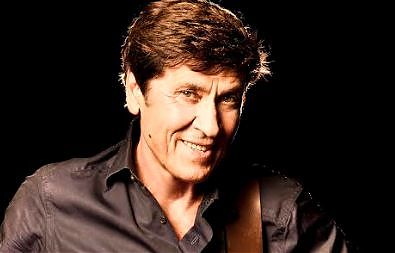
GIANNI MORANDI IS GOING TO SING LIVE AGAIN IN MALTA

0

Gianni Morandi is going to sing live again and will be at the MFCC of Tà Qali, in Malta.
The special event of Morandi’s show live is scheduled for April 12th at the Malta Fairs and Conventions Center.
You can’t miss the show, which is organized by Giuseppe Rapisarda Management. More than 40 tracks in the playlist, over two hours of live and a wonderful journey through time. The greatest hits of Gianni Morandi’s repertoire and the new songs will form a playlist that retrace the fundamental stages of his sixty years of career: “Occhi di ragazza”, “Scende la pioggia”, “La fisarmonica”, “Non son degno di te”, “Uno su mille”, “Dobbiamo fare luce”, “Una vita che ti sogno”.
These last two tracks are part of the 40th album “d’amore e d’autore”. In this album of unpublished Morandi has chosen to interpret songs of love. A unique project that bears the signature of great authors of Italian music: Elisa, Ivano Fossati, Levante, Luciano Ligabue, Ermal Meta, Tommaso Paradiso, Giuliano Sangiorgi. The special date at the MFCC in Malta was long-awaited.
Arrivals from all over the island and from neighboring Sicily are planned at the Malta Fairs and Conventions Center, thanks to fast connections to the port of Pozzallo and the airport of Catania. Morandi’s fans are going to reach Malta from other Italian cities as usual for the members of the “MorandiMania Fan Club”, the association founded in 2002 whose purpose is to spread Gianni Morandi’s art and music, a meeting point between the artist and his fans.
The show starts at 21:30. Tickets are already on sale in the Ticketline circuit: www.ticketline.com.mt

(ITALPRESS/MNA)

LEBANON WILL HAVE ITS OWN CRYPTO-CURRENCY

0

The Governor of Banque du Liban has announced the launch of a new 100% Lebanese crypto-currency in the near future. The currency will be a “virtual Lebanese pound” destined exclusively for local use. It will be issued by Banque du Liban in Lebanese Pounds and its goal is to ease payment methods, to implement a technological transformation of financial institutions and to lower the costs borne by consumers.

Last October, the Parliament adopted a law on electronic transactions and personal data. Article 61 of the law makes the first official mention of “electronic and crypto currencies” in a jurisdictional text. The Parliament dodged the issue by giving the Central Bank full responsibility on the enactment of a regulatory framework for these currencies.

A digital form of an existing currency, such as the Lebanese Pound, would therefore act as a bridge between the real and the digital world, and improve banking inclusion by offering everyone the possibility to pass from physical money to a digital currency after opening an account at the Central Bank.

The Lebanese banking system would never have accepted the creation of a “stablecoin” or a decentralized crypto-currency, unregulated by Banque du Liban. Any such currency would significantly impact money transfers between the diaspora and Lebanon, which currently represent 20% of Lebanon’s GDP. A peer-to-peer decentralized crypto-currency would allow Lebanese to transfer money without having to pay banking fees.

Even when regulated and centralized, digital currencies may induce risks that the controlling authorities say they are fully aware of. For a healthy digital currency to emerge in Lebanon, authorities will have to respond to requirements of compliance, identity checks on the client (KYC), and the origin of the client’s funds (AML), which are the same as those undertaken by the traditional banking system. Yet, the procedures are very different, and are often based on the blockchain.

(ITALPRESS/MNA)

TURKEY, RECORD OF FRUIT EXPORT

0

Last year, Turkey exported a record volume of pears and quince. According to data provided by the Uludag Exporters’ Association, pears, mainly grown in Bursa, were exported to 53 countries. The Italian portal Fresh Plaza reports it.

Pear exports increased by 33.7%, in 2018, compared to 2017 and the volume increased from 36.2 to 48.5 thousand tons. Revenue generated by pear exports increased by 10% in 2018, reaching 22 million dollars (19.3 million).

Iraq is the main importer of Turkish pears. The export to Iraq has increased by 40% and has gone from 11,700 to 16,500 tons. Last year, goods worth $ 2.3 million (2 million) were exported to Iraq.

Russia imported 12,229 tons of pears and came second after Iraq in terms of volume. Russia has paid 6.3 million to Turkish exporters.

Turkish exports to these two countries 60% of total pear exports.

Pear exports to Romania and Germany have also seen an important increase.

Last year, pear exports to Romania increased by 138% in terms of volume and reached 2,800 tons. The revenues generated by exports to Romania doubled and reached  1.7 million.

Germany also increased imports of Turkish pears by 79% and the volume of pears rose from 527 to 943 tonnes. Revenues went from 518,000 to € 1.76 million.

Quince exports increased by 5% in 2018 and reached 19,900 tons. Revenue generated by this 8% increase reached a record of € 11.8 million.

Last year, the top 5 importers of Turkish quince were Russia, Germany, Romania, the Netherlands and France. The export of quince in Russia has increased by 8% and has reached 5,900 tons. The revenues amount to 3.37 million.

Germany was the second largest importer of Turkish quinces last year. With an increase of 22%, Germany imported 2,783 tons of quince. Turkey received  2.47 million in exchange.

The volume of exports of oranges of Turkey, Fresh Plaza reports, increased by 21.5% in 2018, compared to the previous year, reaching a volume of 448.149 tons, while the export of apples increased by 35% last year, with a record of 245,535 tons. This is mainly due to the fact that orange exports to Iraq have increased by 44% and apple exports to Russia have increased by as much as 349%.

According to the association of exporters of Uludag, oranges and Turkish apples were exported to 69 countries last year.

Revenues generated by the export of oranges increased by 6.3% and amounted to 160.6 million dollars (140 million euros). The main importers of Turkish oranges were Iraq (+ 44%, with a turnover of 46.5 million euro), Russia (for a value of 40.5 million euro), Ukraine, Romania and Azerbaijan.

The export of apples has increased by 35% in 2018, for a total of 245,535 tons. Apple is a product grown almost everywhere in Turkey, and revenue from apple exports has increased by 80% to $ 95.5 million (€ 83.2 million).

Russia, Iraq, Syria, India and Saudi Arabia are among the main importers of Turkish apples. Russia paid $ 32.3 million (€ 28.1 million) for 41,468 tons of apples.

The export of apples to Syria increased by 136% and reached 39,940 tons.

Iraq is another important market for Turkish apples. The country has imported 98,927 tons, for an amount of 17.7 million dollars (15.4 million euros).


EGYPT, RESTRUCTURING THE PUBLIC SECTOR

0

The government is on track in efforts to restructure and develop Egypt’s battered state-owned companies.

As the Ministry of the Public Business Sector (MPBS) continues to implement its plans to develop 26 public-sector companies in order to optimise their outputs and reduce their losses, the cabinet has decided to set up a fund to settle their debts to the banking system. 

There were 48 loss-making companies in the sector and 73 profit-making ones. In the 2015-16 fiscal year, the sector’s losses amounted to LE7.5 billion.

There are 119 state-owned companies under the ministry umbrella, and it is seeking to conclude partnership agreements with international investors to revive some of the state-owned companies operating in the automotive, steel, engineering and transportation sectors.

(ITALPRESS/MNA)

MALTA, 35TH PLACE FOR QUALITY OF DEMOCRACY

0

The German foundation Bertelsmann Stiftung has just published the “Sustainable Governance Index – SGI”, which assesses the quality of democracy in the world.

The report places Malta in 35th place in the ranking of countries with the most robust democracy. The index is the result of a series of indicators: electoral process, access to information, civil rights and social freedoms, and rule of law.

The site of the Bertelsmann Stiftung foundation elaborates an explanation of this result articulated on various points. The site recognizes the presence of an impartial and effective electoral law, in the sense that guarantees governability to the winner, which is always clearly identifiable, even in the case of a victory with a tiny margin.

The score related to civil law and social freedoms is high, also in consideration of the fact that the Maltese parliament has recently approved a law which guarantees ample rights to LBGTQ (Lesbian, Gay, Bisexual and Transgender) and which promotes gender equality. In this field, however, various forms of discrimination based on political affiliation and against foreigners have been found, especially in some categories of workers.


While a legislative improvement is recognized as regards the fight against corruption, implementation of these procedures is not considered satisfactory. The Bertelsmann Stiftung website also states that the parliamentary opposition, historically, has always accused the majority, and consequently the government, of corruption, but it is also noted that such instances have never been fully considered, and sometimes they have been even ignored.

Regarding the state of information and the press in general, there is an improvement in the independence of public television. Also under the heading “pluralism”, the score is positive, and it is emphasized that the various social components have several forms and modalities of expression. On the other hand, there is a reasonable margin of improvement with regard to access to government information and certain laws, which preclude confidentiality and the acts are still in force.


In the “Rule of law” category, the most critical issues were found in the “appointment of magistrates” and “prevention of corruption” sub-indices, while legal certainty and judicial review obtained positive scores. Among the negative aspects, the fact that the judges of the Supreme Court are appointed by the President of the Republic on the indication of the Prime Minister, who enjoys wide discretion in the matter.

The Scandinavian countries lead this particular ranking: Sweden, Finland, Denmark and Norway take the first four places, followed by Germany and Switzerland (fifth with the same merit), Estonia and New Zealand, the first non-European country, which occupies the 7th position.

(ITALPRESS/MNA)

GEORGE VELLA NEW PRESIDENT OF MALTA

0

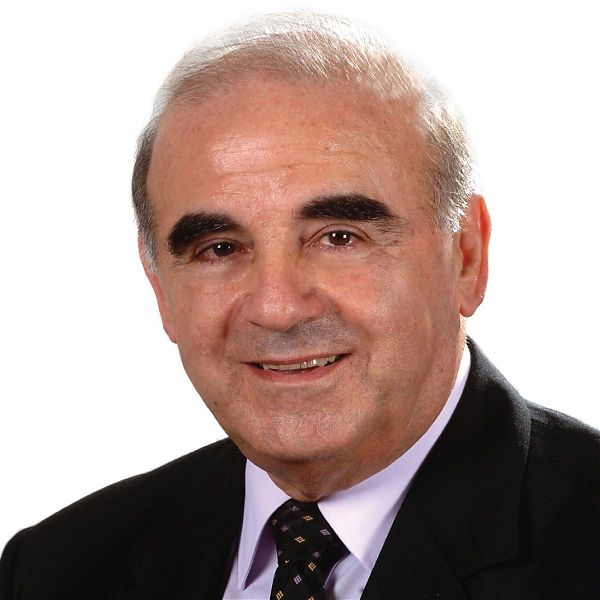
The Prime Minister of Malta, Joseph Muscat, has announced his intention to appoint George Vella as the future President of the Republic.

In a video published on March 5, Muscat said that the nomination was unanimously supported by the entire Cabinet, as well as by the entire parliamentary group of the Labor Party. The Prime Minister defines George Vella as a man of undoubted integrity and whose political career has never been characterized by any controversy.

Geroge Vella, who will turn 77 years old in April, is a doctor by profession and has a long political career in the ranks of the Labour Party. He served as an MP from 1978 to 1981 and from 1987 until 2017, and held several prestigious positions: representative of Malta at the Council of Europe in 1987, and Minister of Foreign Affairs in the periods 1996-1998 (also being Deputy Prime Minister) and 2013-2017.

Vella had been indicated as the front runner for the office of President of the Republic also five years ago, when then the choice of Muscat had fallen on the current President, Marie-Louise Coleiro Preca, whose term ends on April 4. April 4 became the day associated to the Presidency of the Republic, considering that the last six heads of state were awarded the office on the fourth day of the fourth month of the year.

For Malta, Vella will be the second President with a medical background, after Censu Tabone who had held the post between 1989 and 1994. All the other Presidents had, instead, a background in jurisprudence, like the same Coleiro Preca, public notary.

Coleiro Preca was publicly thanked by Muscat for the incessant work during his tenure. The Prime Minister said in a subsequent tweet, on behalf of the whole government, his satisfaction that the current President will continue to give her own contribution through the Foundation for Social Welfare.


Whie the nomination of George Vella has gathered unanimous consensus among the ranks of the Labor Party, it is not the case for the opposition. The Nationalist Party defined the decision of Muscat as an additional missed opportunity to overcome political differences and to appoint a figure able to gather the support of two thirds of the parliament. In the past months, the PN has repeatedly called Muscat to appoint a personality closer to their political stances, suggesting Lawrence Gonzi (former Nationalist Prime Minister), Tonio Borg (former Foreign Minister under the Gonzi government) and Louis Galea (former President of the Parliament during the Gonzi government).

(ITALPRESS/MNA)

MALTA HOSTS FIRST E-MOBILITY SUMMIT

0

The first E-Mobility Summit was held in Malta, dedicated to eco-sustainability in transport and focused on electric vehicles and technological innovations in the automotive sector.

During the summit, which was opened by Prime Minister Joseph Muscat, it was repeatedly stressed that Malta is particularly suited to acting as a forerunner in the field of e-mobility, due to the small size of the country and the mild temperatures during winter months . In fact, many participants pointed out that the two biggest concerns about electric vehicles derive from the number of kilometers that can be traveled with a full battery charge, which in Malta is not a problem given the very short distances, and the performance of the battery at low temperatures. Battery performance can be reduced by up to 40% when the temperature falls below zero, but this is a problem that Malta does not know, given that even in winter temperatures are usually well above zero.


However, the very cold winter is not a problem for Norway: during the summit, it emerged that about three vehicles out of four purchased in Norway are electric. The Scandinavian country, in addition to offering strong incentives for those who buy electric vehicles, has also invested heavily in infrastructure and especially in charging stations, which are widespread throughout the country. The project in Norway was carried out in cooperation with various car manufacturers.

The discussion covered in detail the case of Malta, for which future priorities were highlighted. Among these, the improvement of the infrastructures – specifically the charging stations and the possibility of installing charging points at home – has been repeatedly emphasized.

The sessions of the summit also included other key elements such as European legislation, the commitments undertaken at the EU level for the reduction of emissions and the innovations in the sector in the years to come, especially the autonomous cars. On this last point, the fact that the concept of vehicle ownership will be questioned of technological evolution has been highlighted, and that this will require a change of mentality of the whole society. This innovation could potentially solve the traffic problem, which for years has been affecting the daily life of all residents and which has been a government priority for over a decade.


The summit also included an exhibition of electric cars, in addition to the stands of some government agencies operating in the field of environmental protection.

In addition to Prime Minister Muscat, Minister of the Economy Chris Cardona, Minister of the Environment Josè Herrera, Parliamentary Secretary Silvio Schembri, the Director of the European Union for the Environment Daniel Calleja Crespo and MEP Miriam Dalli took the floor.

(ITALPRESS/MNA)