
Med news english

Migrants beaten during a push back operation towards Libya

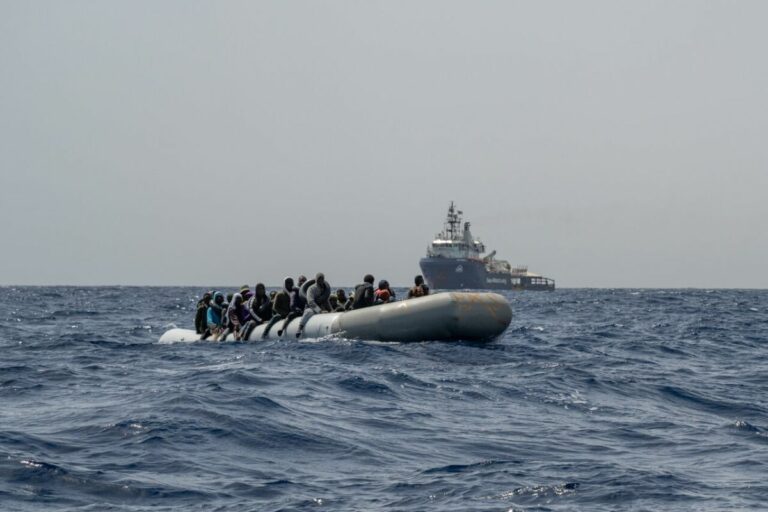
LA VALLETTA (MALTA) (ITALPRESS/MNA) – The NGO Sea-Watch International has published a video of the Libyan coastguard brutally pulling back approximately 60 migrants to “horrific conditions” in Libya.
The NGO confirmed that the incident happened last Tuesday as a boat full of migrants was sinking. It also accused the captain and the crew of the vessel of being complicit and responsible “for this crime”.
According to the video, the captain of the vessel is heard informing Sea-Watch International of risking being arrested together with his crew, if he ignores the orders issued by the Libyan coastguards, and therefore he should resume with the handing over of the saved migrants.
The video also shows migrants being beaten by the Libyan coastguard using wooden bats during their transfer to the Libyan coastguard vessel recently gifted by the Italian government.
Sea-Watch International warned the captain that Libya is not considered as a place of safety.
Meanwhile, over the weekend of 7th-8th June 2024, at least 17 bodies were spotted floating at sea. Twelve of them were retrieved by civil search and rescue ships Geo Barents and Ocean Viking. The deaths indicate a shipwreck in which an unclear number of people have died.
The bodies were discovered during a monitoring flight by Sea-Watch. “We spotted even more bodies, which are still at sea”, says Tamino Bòhm, who was part of the monitoring team that discovered the dead. “These deaths were not an unforeseeable accident, but the result of calculated political decisions by the European Union: this is what the European border policy looks like.” The fact that the bodies have remained undiscovered for more than a week shows once again how necessary civilian monitoring is in the Mediterranean. However, human rights monitoring over the Mediterranean is under threat: the Italian aviation authority ENAC is currently trying to ban Sea-Watch’s monitoring flights. “If this attempt is successful, there will be no more witnesses of such deaths,” says Bòhm.
It was the civilian organisations MSF and SOS MEDITERRANEE that recovered the bodies from the sea. “Had it not been for civilian Search and Rescue ships and aircraft, this recent tragedy would have likely been one of many invisible shipwrecks in the Mediterranean. We know that more bodies were spotted at sea, which we were not able to recover. We will never know their identity, nor how many people died in this shipwreck,” says Soazic Dupuy, Director of Operations of SOS MEDITERRANEE. “Humanitarian Search and Rescue fills a deadly blind spot in the Mediterranean – the obstruction and criminalisation of our vital work must end.”
“We have received requests from families reporting they had lost contact with their loved ones who had taken the sea. We call on the Italian authorities to immediately put into action and apply the proper forensic mechanisms to capture and document DNA profiles of people who lost their lives”, said Juan Matias Gil, MSF Search and Rescue representative. “Proper identification of the victims is our duty to help families have answers about the disappearance of their loved ones”.

– Foto: Agenzia Fotogramma –

(ITALPRESS).
European Commission warns Malta over its excessive budget deficit

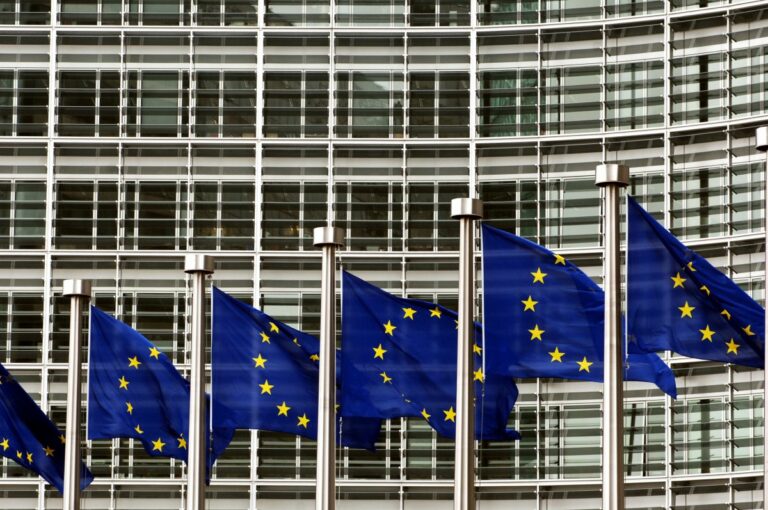
LA VALLETTA (MALTA) (ITALPRESS/MNA) – Malta has been formally warned by the European Commission over its excessive budget deficit.
The European Commission also reiterated its call for Malta to end its energy subsidies as well as take other measures to tackle a severe shortage and mismatch of skills, ease traffic congestion and increase renewable energy.
Warnings over budget deficits were also issued against Belgium, France, Italy, Hungary, Poland and Slovakia. Romania was accused of having failed to heed previous warnings.
“In light of this assessment, and after considering the opinion of the Economic and Financial Committee, the commission intends to propose to the council to open excessive deficit procedures for these member states in July 2024,” the EU executive said.
“Longstanding structural challenges are holding back the EU’s competitiveness,” EU Commissioner Valdis Dombrovskis said in a statement.
“We look forward to receiving national fiscal structural plans from member states that bring down debt and deficit and reflect today’s recommendations.”
For decades, the EU has set out targets for member states to keep their annual deficit within 3% of Gross Domestic Product and overall debt within 60% of output.
The Commission noted that Maltàs general government deficit decreased from a deficit of 5.5% of GDP in 2022 to a deficit of 4.9% in 2023, while the general government debt fell from 51.6% of GDP at the end of 2022 to 50.4% at the end of 2023. According to the fiscal policy guidance for 2024, the Commission is taking the first step for the opening of deficit-based excessive deficit procedures on the basis of the 2023 data.
The Maltese government has repeatedly defended its position, arguing that the deficit is falling as the economy grows.
The Finance Minister has insisted that the gap will continue shrinking by 0.5 percentage points each year up to 2026 in line with the Economic Governance Framework agreement reached between EU finance ministers last January.
The Commission called on Malta to submit the medium-term fiscal-structural plan in a timely manner and to keep the general government debt at a prudent level over the medium term in line with EU treaties.
It again urged Malta to “wind down the emergency energy support measures by the 2024/2025 winter” and address remaining aggressive tax planning risks, introduce a withholding tax on outbound payments or equivalent defensive measures, and amend rules on non-domiciled companies.”
Prime Minister Robert Abela had warned ahead of the EU elections earlier this month that Malta would not lift the energcy subsidies’ whatever the EU said.”
The commission also urged Malta to continue with the swift and effective implementation of the recovery and resilience plan, including the REPowerEU chapter, ensuring completion of reforms and investments by August 2026.
Malta was urged to strengthen the quality and labour market relevance of education and training to address low educational outcomes as well as the severe shortage and mismatch of skills, in particular by fostering basic skills of students and the professional development of teachers.
Malta was also urged to accelerate the deployment of renewable energy through large-scale projects as well as small-scale investments in direct energy production and consumption.
A call was made for Malta to address traffic congestion by improved quality and efficiency of public transport and step upinvestments in ‘soft mobility’ infrastructure.
The news comes just after the European election campaign when Prime Minister Robert Abela pledged income tax cuts for lower middle income earners in the forthcoming budget.
“The government takes note of the draft Country Specific recommendations and Country Report, issued by the European Commission, which highlight the achievements obtained together with the remaining and emerging challenges,” the statement reads.
However, the statement makes no reference to the phasing out of blanket energy and fuel support, which is costing public coffers in excess of €300 million annually.
Instead, the government said it was accelerating the green transition with four new calls for investments in larger renewable energy systems. It also noted that a second electrical cable interconnection between Malta and Sicily is slated to be commissioned by the end of 2026.
Government said it remains committed to effectively implementing the Recovery and Resilience Plan, including the REPowerEU Chapter, the statement added. “The implementation of this plan will tackle areas addressing the green and digital elements, as well as reforms in other sectors.”
On the need to bolster the education system, the government said the new National Education Strategy (2024-2030) is based on the pillars of wellbeing, growth and empowerment and equity and inclusion.
Reacting to the Commission’s assessment on the transport situation, government said significant investment has been directed towards improving transportation infrastructure, including both major and urban road networks, upgrades to the inner-harbour ferry system and the promotion of alternative eco-friendly commuting options. The extension of the free public transport to all led to an increase in the usage of this service, the government added.
It said the Commission noted that Maltàs economy will continue to outperform other Member States in 2024 and 2025. This growth is expected to be driven by net exports and private consumption.

– Foto: Agenzia Fotogramma –

(ITALPRESS).
Malta’s high education level below the EU average

LA VALLETTA (MALTA) (ITALPRESS/MNA) (ITALPRESS) – According to a study by Eurostat, Maltàs high education level is below the EU average with 40.8% of the country registering a low education level.
In the EU, 31.8% of people aged 25-74 attained a high educational level, with Malta coming below average with 28.1%.
European countries were assessed on the education level attained by each population aged 25-74, according to data collected in 2022.
On average, 23.3% of Europès population have attained lower education (primary/lower secondary). Malta, with 40.8% of its population, stands fourth among countries with the highest percentages of their populations with low education, with Turkey taking first with 61.8% of its population.
When it comes to young people (25-34) attaining tertiary education, Malta (42.4%) stands just above Europe’s average (42%).

– Foto: Agenzia Fotogramma –

(ITALPRESS).
Libya, over 7.000 migrants rejected in six months

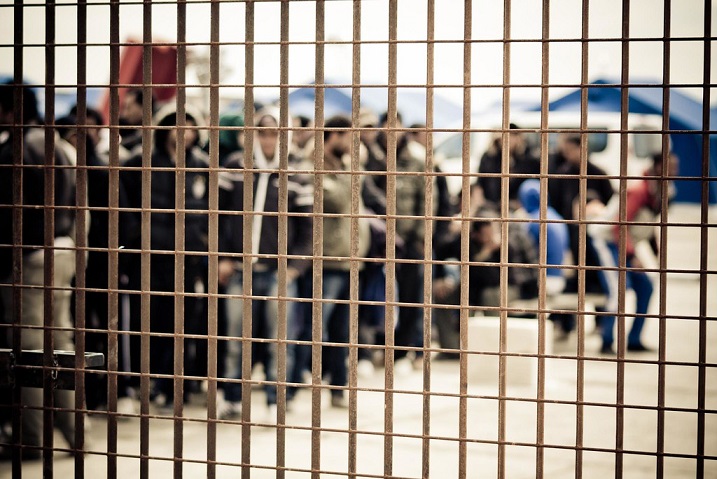
VALLETTA (MALTA) (ITALPRESS/MNA) – To date 7,100 migrants have been forcibly repatriated to Libya. The data comes from the International Organization for Migration (IOM), according to which in the first six months of the year there were also 282 deaths and 449 missing people in the Mediterranean. The figures highlight the deadly risks associated with this migration route and the urgent need for international solutions. The IOM report highlights a growing humanitarian crisis as growing numbers of migrants attempt the perilous journey across the Mediterranean in search of better life opportunities in Europe. Libyàs strategic location made it an important starting point, but the country’s political instability and ongoing conflict have led to serious human rights violations. Detainees in Libyan centers often face overcrowding, lack of medical care and abuse.
Human rights organizations have repeatedly called for an end to these practices and for safer migration routes to be established. IOM and other international bodies are calling for greater support to improve conditions in Libya and the creation of legal and safe routes for migrants and refugees.
(ITALPRESS).
– Photo credit: Agenzia Fotogramma –

Malta, the length of trials is not satisfactory for Europe

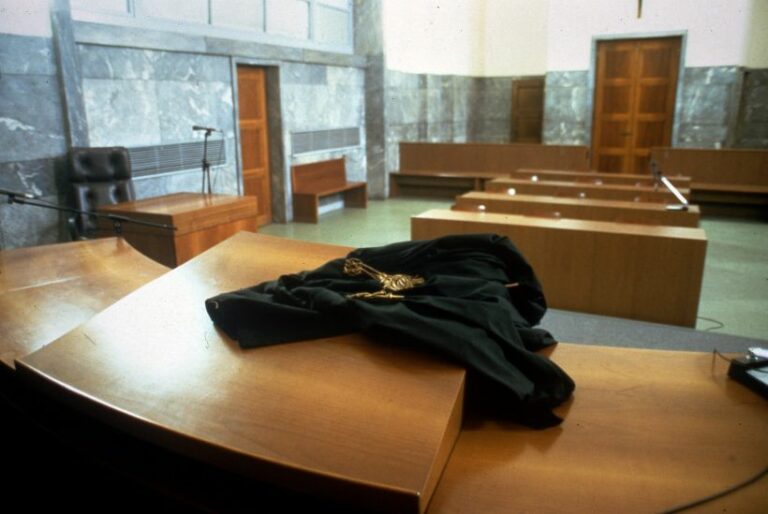
LA VALLETTA (MALTA) (ITALPRESS/MNA) – Maltàs justice system rank poorly when compared to justice systems in other EU countries, not least due to the length of time it takes for cases to be resolved. This was confirmed by the EU Justice Scoreboard’s report for 2023. The EU Justice Scoreboard is published by the European Commission every year, and presents an annual overview of indicators on the efficiency, quality and independence of justice systems across the EU’s member states. The 2023 edition is primarily based on 2021 data, though it does take into account some developments that took place in 2022. The caseload of Maltàs justice system is actually one of the smallest in the EU per capita, with 2.3 incoming non-criminal cases per 100 inhabitants during 2021, the third-lowest after Luxembourg and Greece. Nevertheless, the length of Maltàs court proceedings is notorious, even if improvements have been registered. The estimated time to resolve civil, commercial, administrative and other non-criminal cases was no less than 350 days in 2021; the fifth highest among member states. The Justice Ministry emphasised that the data refered to in the scoreboard represented a year in which Malta was transitioning out of the Covid-19 pandemic, and that the Law Courts were consequently not operating at full capacity. Minister Jonathan Attard was quoted as saying that the report showed “that Malta is starting to bear the fruits of the landmark and courageous reforms that the Government is implementing,” and that the government would continue to invest in infrastructure and human resources to achieve “the best possible results”.
(ITALPRESS).
– Photo credit: Agenzia Fotogramma –

Malta, one in six people at risk of poverty in 2023

LA VALLETTA (MALTA) (ITALPRESS/MNA) – One out of every six people in Maltese households were at risk of poverty last year. This was confirmed by lofficial data released by the National Statistics Office. Statistics from the European Statistics on Income and Living Conditions survey show that 88,462 people were under the poverty line in 2023. This means that 16.6% of the local population was at risk of poverty, a marginal decrease of 0.1% over 2022. A fifth (22%) of those at risk of poverty were aged under 18 years, an increase of 2.7 percentage points from the previous year. Meanwhile, a decrease of 0.2 percentage points was observed among people aged 18 to 64, equivalent to 12.1% in 2023.
The rate for those aged 65 or more went down to 29%, equivalent to a decrease of 1 percentage point. Material and social deprivation indicators are based on 13 items, of which seven relate to the person’s household and six relate to the person.
When compared to 2022, the highest increases in 2023 were recorded in the group of respondents who said that their household was unable to afford a meal with meat, chicken, fish, or vegetarian equivalent every second day, and those whose household found it difficult to face unexpected financial expenses. On a scale from zero to 10, where zero represents not satisfied at all, and 10 represents completely satisfied, respondents at risk of poverty or social exclusion reported lower average scores when it comes to their satisfaction with overall life, financial situation, current job, and personal relationships when compared to those not at-risk-of-poverty or social exclusion. Average scores for overall satisfaction about at-risk-of-poverty or social exclusion were slightly higher in 2023 when compared to 2022. Particularly, in 2023 respondents at risk of poverty or social exclusion reported a mean score of seven for satisfaction with their overall life – an increase of 0.2 points from 2022 and a mean score of 6.2 for satisfaction with their financial situation, translating into an increase of 0.4 points. They also reported a mean score of 7.4 for satisfaction with their current job – an increase of 0.1 points from 2022, and a mean score of 8.5 for satisfaction with personal relationships, representing an increase of 0.3 points.
(ITALPRESS).
– Photo credit: Ipa Agency –

Pichetto Fratin “Italy an energy bridge in the Mediterranean”

TRAPANI (ITALPRESS) – “The Mediterranean is a crucial hub on many levels, such as cultural and commercial, but it is becoming so more and more from an energy point of view, as a bridge between Europe, Africa, and Asia. Italy is fortunate enough to be in the center of the Mediterranean. It can consolidate itself as an energy bridge between North and South, East and West of the Mediterranean basin”.
This was declared by the Minister of Environment and Energy Security, Gilberto Pichetto Fratin, while speaking during the fourth Workshop of the Presidents of the Mediterranean Energy Association (MEDREG) at the archeological site of Selinunte, in Trapani.
“The Mare Nostrum is already home to many energy infrastructures, such as electricity links, gas pipelines, and LNG terminals,” adding, “The challenge we face is to strengthen and expand infrastructure, to secure greater energy security and to register more progress in decarbonization, and to reach the goal of climate neutrality by the middle of this century. This is a great challenge, and even more significant for the Mediterranean because it is one of the areas most vulnerable to climate change”.
“Energy cooperation is essential as it is an opportunity for each MEDREG country to share its strengths. In this context, the role of Regulators is crucial to stimulate regional integration and energy exchange between countries, favouring the process of energy transition.”
“These days”, added Pichetto Fratin, “we are finalizing the update of the National Energy Climate Plan (PNEC), which will define energy-climate commitments by 2030 horizon, which is a crucial step to achieve climate neutrality by 2050. We will have to deliver the updated version of the Plan to the European Commission by the end of this month. In the process of updating the Plan, a realistic approach based on technological neutrality was followed, which however provides for a strong acceleration of renewable electricity sources; production of renewable gases (biomethane, hydrogen, and other biofuels including HVO – hydrotreated vegetable oil); building renovations, energy efficiency, including the electrification of final consumption”.
“Italy is also evaluating the use of the nuclear source,” continued the Minister. “We have launched the National Platform for Nuclear Sustainability and recently, as the Ministry of Environment and Energy Security, decided to join the European Industrial Alliance on Small Modular Reactors (SMR), to confirm the country’s support and to give a concrete signal of interest to the development of new cutting-edge technologies, which can make an important contribution to decarbonization”.
“A very important part of the Italian National Energy and Climate Plan is regional cooperation in terms of energy infrastructure,” the Minister emphasized, referring to some important projects.
“The Southern Hydrogen Corridor,” he explained, has already been selected at the European level as a Project of Common Interest (PCI). This will help to achieve the target of importing 10 million tonnes of renewable hydrogen by 2030 at the EU level. The project has been strongly supported by Italy from the beginning and is fully in line with the Mattei plan for Africa. Italy, also as the G7 Presidency, has paid great attention to cooperation with Africa and has reiterated the importance of strengthening cooperation with African countries and cooperating to achieve the objectives of decarbonization and energy transition at a global level. The African continent offers great potential that Italy wants to support through the creation of mutually beneficial partnerships on an equal basis, to make Italy an energy hub of the Mediterranean, with the function of a bridge between Europe and Africa”.
“The interventions,” continued the Minister, “will focus on the climate-energy link aimed to strengthen energy efficiency and the use of renewable energies, with actions aimed at accelerating the transition of energy systems, including electricity generation from renewable sources and transmission and distribution infrastructures, as well as the development of the necessary skills and professionalism. Concerning finance, and in conjunction with the objectives of the Mattei Plan, I would like to emphasize that Italy intends to direct an extremely significant share of the Italian Climate Fund, whose total allocation is over EUR 4 billion, to Africa and the Middle East. Italy has also launched the Rome Process, to which several countries that are also part of the MEDREG adhere. The spirit of this initiative is to build partnerships on an equal footing to develop common responses to the current and urgent challenges affecting the countries of the two continents, from migration to the energy transition. At the end of this speech, I reiterate once again the centrality of the Mediterranean Sea in the global energy scenario and the fundamental role of the Regulators in promoting the energy cooperation of the countries within the Mediterranean Basin and achieving a socially equitable energy transition that leaves no one behind”.

– photo Agenzia Fotogramma –

(ITALPRESS).
Piantedosi “Morocco a point of reference in the Mediterranean area”

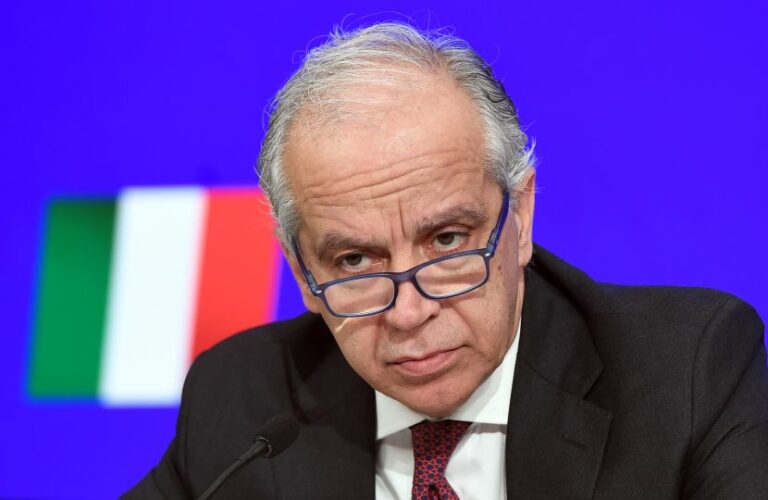
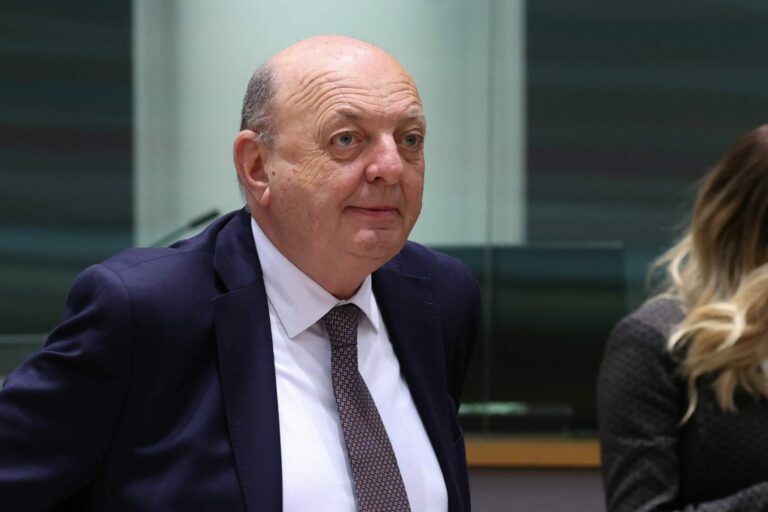
ROME (ITALPRESS)- The Minister of the Interior, Matteo Piantedosi, visited Morocco where he met his counterpart Abdelouafi Laftit and the Minister of Habous and Islamic Affairs, Ahmed Toufiq. “Morocco – said Piantedosi – is a friendly country of Italy and is a solid point of reference both in the Mediterranean and Atlantic areas, for stability and ability to manage security and migratory challenges”. The Italian Government is working to prevent and combat the action of human traffickers in the main countries of origin and transit, to strengthen legal migration channels, and to enhance assisted voluntary repatriations to the migrants’ countries of origin.
The cordial meeting – the Interior Ministry said – was also an opportunity to discuss various topics such as security in an anti-terrorism perspective, through the strengthening of collaboration between the police forces, the fight against drug trafficking and cooperation between the police of fire for the management of natural disasters. Particular attention was paid to the activities of individuals suspected of proximity to terrorist circuits, the exchange of experiences on the methods adopted to encourage de-radicalization paths, and the fight against religious extremism.
During the meeting with the Minister of Habous and Islamic Affairs, Piantedosi underlined “that Morocco is an authoritative example of openness and tolerance, proof of which is the numerous important interreligious dialogue initiatives of which Rabat is the protagonist”. The minister also informed Minister Toufiq of the agreement signed by the Ministry of the Interior with the European Commission, for the financing of a program intended for the professional training of migrants for subsequent inclusion in Italy.
(ITALPRESS).
– Photo credit: Agenzia Fotogramma –